

Case study · Hospitality
wagamama: five times the feedback volume. Same central team.
wagamama had 100 restaurants when they implemented Coreflow. They have 230+ now. Feedback volumes grew fivefold as the business scaled, but the central team did not. Coreflow Integration connected their existing website, feedback system, voucher platform and sales data, so the same people could handle five times the throughput.
Not one big project. Four focused integration pieces, each one fast to deliver, each one connecting systems that were already there.
Headline outcome
Growing fast meant growing complaints, not because the service was poor, but because there were more restaurants and more guests. The same team handled five times the volume because the manual steps between systems were gone.
100 restaurants when Coreflow was implemented. 230+ today.
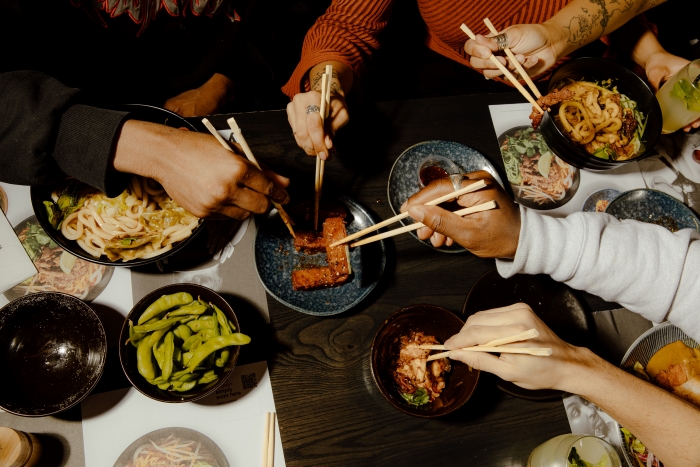
wagamama is a group of Asian-inspired restaurants, growing from one restaurant in London in 1992 to 100 restaurants when Coreflow was implemented, and over 230 today across Great Britain and the US, now expanding into delivery.
At that scale, guest feedback is a management tool, not just a customer service function. But the processes keeping it running were disconnected, and the gaps between systems were filled by people doing things by hand.
Restaurants at implementation vs today, same platform throughout
Users benefiting from the connected platform
Feedback volume handled by the same team
Typical delivery time per integration piece once briefed
Good systems. Not connected. Manual work filling every gap.
wagamama ran multiple systems, each doing its job in isolation. Every gap between them was filled by someone doing it by hand, and those tasks had grown into significant, recurring time costs.
Website feedback arrived each morning and needed manually adding to the guest feedback system. Issuing a compensatory voucher meant switching to a separate voucher platform and re-entering data that was already sitting in the feedback system.
The weekly management report combining feedback and sales data was a major manual task, heavily reliant on one person's expertise. Supplying data to the mystery diner supplier was another manual export and submission process.
Each task was manageable alone. Together, and growing week by week, they represented a significant overhead that nobody had time to fix, because fixing it required time they did not have.
"Businesses use multiple systems to manage their operations. But all too often data is being manually copied from one system to the next when a relatively simple piece of integration work can get these systems working together."
"Often in business, people start doing things and over time they become bigger and bigger tasks. Although you can see the problem, you just don't have the time to do anything about it."
How Coreflow connected the existing stack
Every system wagamama had stayed. Coreflow Integration connected them, so data moves automatically between platforms instead of being carried by a person.
What got connected
Four manual processes. Four targeted integrations. Each one connecting existing systems that were already there, and eliminating the manual step in between.
Website feedback captured automatically
Coreflow Integration connected the wagamama website to their existing guest feedback system. Feedback submitted online creates a new case automatically and notifies the relevant restaurant and area managers instantly. The morning manual entry queue is gone.
Vouchers issued with a single click
The two systems were already there. Coreflow connected them. A single click sends the data from the feedback system to the voucher platform, which returns a voucher code straight into the response email. No switching systems, no re-entering data that is already there.
Weekly report automated end to end
The data was already in two existing systems. Coreflow Integration connected them and automated the collection and formatting process, feeding it directly into the report template and updating graphs and tables automatically. No manual extraction, no single-person dependency.
Mystery diner data fed automatically
The data feed required by the mystery diner supplier now runs automatically into their system, eliminating a manual export and submission process that had no reason to involve a person at all.
The difference
Significant time saved, capacity returned to the people who should be focused on restaurants, not data handling.
What this proves
The biggest wins often come not from new systems, but from connecting the ones already there.
Integration over replacement
Every system wagamama was running stayed in place. The gains came entirely from connecting them, so data moved automatically instead of being carried by a person.
Fast to deliver, low overhead
Each piece was scoped and built in as little as a fortnight. No heavy management time required, and results arrived quickly enough to make the next piece an obvious decision.
Capacity for what matters
The biggest benefit was not the time saved on the automated tasks. It was giving experienced staff the capacity to focus on the work that actually adds value to customers and the business.
"Automating and integrating these activities is saving us so much time. It has probably saved us having to recruit another head centrally, as well as giving managers much more time on the restaurant floor. Most importantly it's giving valuable staff more time to spend on the things that really add value to customers and the business."